
Gen Alpha Is Helping Revive China’s Struggling Malls
Shopping centers grappling with the shift to e-commerce increasingly focus on kids, hoping their parents will tag along.
Gen Alpha Is Helping Revive China’s Struggling Malls Read More »


Shopping centers grappling with the shift to e-commerce increasingly focus on kids, hoping their parents will tag along.
Gen Alpha Is Helping Revive China’s Struggling Malls Read More »

The Spanish beauty group, which owns Carolina Herrera and Charlotte Tilbury, achieved record sales in 2025 and reported growth in all business segments.
Puig Profits Rise 12% on Makeup, Skincare Demand Read More »
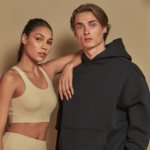
A new activewear and athleisure brand has launched online today under the name of Now You Live, with Selfridges, Harrods and Harvey Nichols set to stock it in the coming weeks. It’s the brainchild of Carl Tallents, who was the Chief Commercial Officer at Matches until January 2024, following just over a year as Group Head of Luxury Brands at Frasers Group and, prior to that, almost five and a half years as Head of Brand at Flannels. Most recently, Tallents was CEO of fashion publications ‘Wonderland’ and ‘Man About Town’ – another position that placed him at the centre of a fast-paced and high pressure industry. After years of building brands for others, Tallents reached a turning point. Stepping away from the intensity of corporate fashion, he chose to pause. Reassessing his direction, priorities and personal wellbeing. Living in the countryside, he began to look inward, taking greater care of his physical and mental health and reconnecting with a slower, more grounded way of life. It was during that period that a gap in the market became clear, as he believed the clothing within the health and wellness space didn’t reflect who he was or how he wanted to live. Now You Live launches with a comprehensive collection, from soft touch activewear and sculpted layers, to cotton rich knitwear, relaxed tailoring, loungewear and refined accessories. Every piece is designed to transition seamlessly – from movement to downtime, and “from morning rituals to evening reset”. Tallents tells TheIndustry.fashion why the time is right to launch his own brand… Why launch an athleisure/activewear brand now, in such a competitive space? I understand it’s a crowded market, but this didn’t start as a commercial gap analysis. It started as something personal. After years in senior roles at Flannels, then leading luxury at Frasers Group and later serving as Chief Commercial Officer at Matches, I reached a point where I needed to pause. The industry is fast, intense and relentless. I spent years building brands for other people. When I stepped away back to the countryside, I began reassessing everything, my pace, my health and my priorities. I was training, walking and resetting, but the clothing in that space didn’t reflect how I wanted to live. It felt loud, overly branded, and performance at all costs. I wanted something quieter and more refined. Something that felt as considered as the lifestyle I was building. Now You Live came from that space. It’s not about hype, it’s about longevity, comfort and quiet confidence. Where does the name originate? The name reflects the journey I went through myself. There’s a moment when you stop running on autopilot. When you step back. When you seek something different. Then you find it. And once you find that balance, that clarity, now you live. It’s a mindset more than a slogan. How is it different to other athleisure/ activewear brands? The colours are inspired by nature, muted, grounded, calm. The silhouettes are clean and timeless. There’s no need for obvious branding or noise. It’s activewear mainly but also knitwear, relaxed tailoring, loungewear and refined layers. Pieces that move from training to the clubhouse, from a long country walk to an evening reset. I see it as a new kind of luxury. One that values simplicity, wellbeing and presence over performance theatre. What are the key looks? For women, it blends performance led activewear with elevated knitwear – pieces that layer effortlessly from studio to street. For men, it’s refined and understated. Cut for ease and movement. Performance where you need it, polish where it matters. Across the board, it’s about elevated essentials, clean silhouettes, premium fabrics and timeless design. We’ve also introduced a sneaker called ‘YX 101 The Origin’. It’s built on a Vibram sole with a lightweight EVA midsole and asymmetrical heel, technically considered but visually refined. It carries the brand’s origin story into every step. Where will it be sold? We launch direct-to-consumer on NowYouLive.com today, 17 February. We’ll also be available with wholesale partners including, Harrods, Harvey Nichols and Selfridges in the coming weeks. Why is the timing right for ‘elevated essentials that go beyond the gym’? I think people are re-evaluating how they live. There’s a shift happening towards balance, wellbeing and intentionality. The lines between work, movement, travel and downtime are blurred. Clothing needs to reflect that. It needs to transition seamlessly. It needs to feel good physically and mentally. Now You Live is built for how people really live today, not just how they train. How have your past roles at Flannels, Frasers Group and Matches shaped your decision to launch a brand of this type? I joined Flannels in 2017 as Head of Brand and we transformed it into an internationally recognised luxury destination, rolling out award winning flagship stores across the UK. That experience sharpened my understanding of brand clarity, retail environments and customer expectations. At Matches, and leading luxury at the Frasers Group, I was immersed in global luxury strategy, understanding product, positioning and pace at the highest level. All of that experience feeds into Now You Live. The discipline, the standards and the commercial awareness. Are there plans for your own retail space or a pop-up? Right now, the focus is launching thoughtfully, through our own platform and with our trusted retail partners.

Brands can expect an influx of Chinese travellers to Bangkok, Seoul and Kuala Lumpur during the Spring Festival travel surge, as well as heavier traffic at gateway airports serving domestic holiday destinations in Hainan, Hebei and Shaanxi.
The Retail Hotspots for Chinese New Year Tourists Read More »
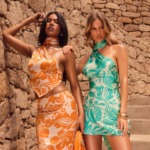
The owner of Boohoo and Debenhams is planning to raise £35 million to help accelerate its turnaround plans and cut debts. Debenhams Group, which was renamed from Boohoo last year, said it has been preparing for an equity fundraiser to give the business extra liquidity. Co-founder Mahmud Kamani, Group Chief Executive Dan Finley and Non-Executive Director Iain McDonald are set to take part in the fundraise. It added that it is also in “advanced discussions” with its lending syndicate over further “financial flexibility” to help it with its turnaround efforts. Debenhams said its turnaround plan is “going apace” and held firm its targets for the financial year, after an upgrade last month. The company, which also runs brands including Karen Millen, has said it is on track to post adjusted underlying profits of £50 million for the year to the end of February. The retail group added that it is continuing to explore opportunities to help drive an “asset-lite model”, such as selling non-core assets, supply chain partnerships, strategic IP licensing and other financing options. Last month, the group halted plans to potentially sell off its PrettyLittleThing brand. It did not disclose which parts of the business it might consider as “non-core”. Debenhams is also reducing its property costs, telling shareholders that lease costs are set to reduce from £17 million this financial year to around £13 million next year. It said this will fall by a further £6 million when the lease on a vacant US property expires. The group also plans to cut its capital expenditure from £16 million over the past year to around £8 million. “As a result of this simplification of the group’s business, the planned fundraise, the continued focus on improving and growing the asset-lite marketplace model, and the resulting impact of significantly improving the group’s cash generation, the directors remain confident in the outlook for full-year 2026 and full-year 2027,” the firm said.
Debenhams plans to raise £35m to drive turnaround and cut debt Read More »
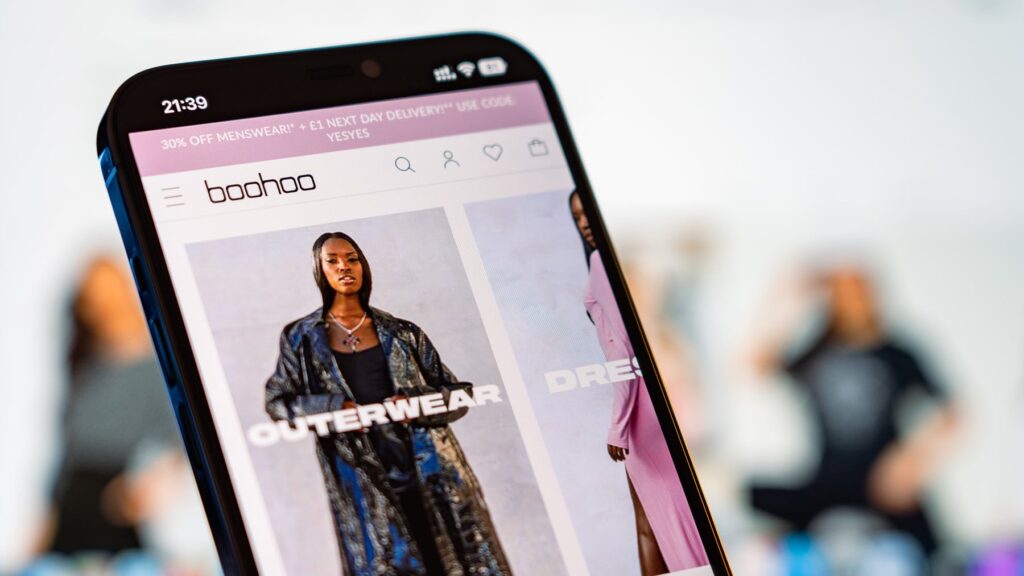
The online clothing retailer is seeking to raise £35 million in equity and amend debt covenants in an attempt to turn around the business.
Boohoo Plans to Raise £35 Million as Retailer Talks With Lenders Read More »
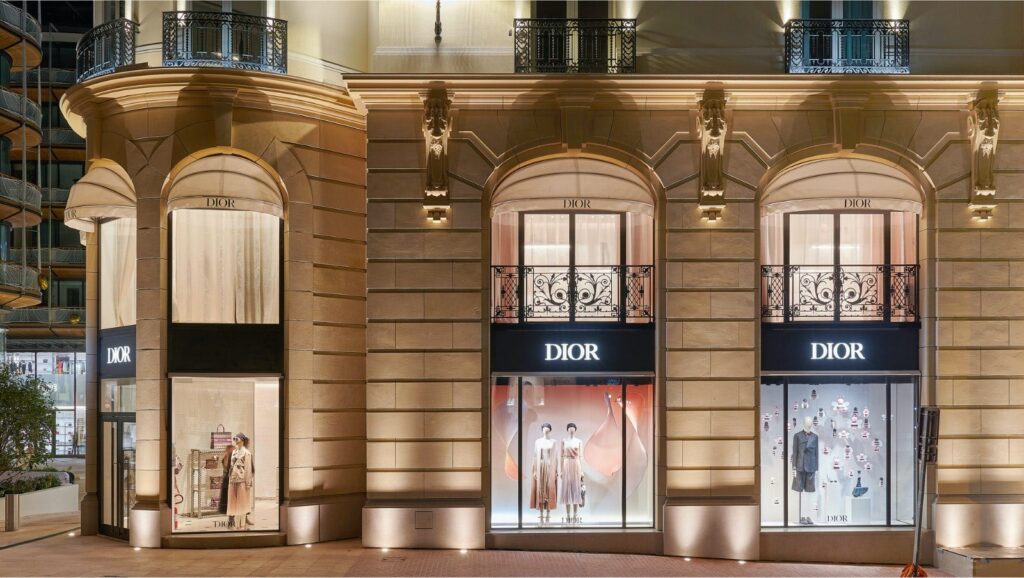
LVMH and Kering are navigating sharp share price swings stoked by hedge fund bets and AI-rattled markets.
Luxury Stocks Buffeted By Hedge Fund Positions, Market Volatility Read More »

Designer Phoebe English will return to the February schedule at London Fashion Week for the first time since 2020 this season, presenting what she describes as her most personal – and most “exposing” – collection to date. The circular fashion pioneer, who launched her label in 2011 and built a reputation for working with deadstock fabrics and textile waste, stepped away from the traditional autumn/winter calendar in 2020. In the years since, she has become a mother and further reshaped her studio practice around regenerative, low-impact production. Phoebe English is focused on sustainable and regenerative practices (Asia Werbel/PA) Her return to a February presentation for AW26 is, she says, as much about family logistics as fashion. “I had some children recently, so I’ve been rejigging our family time and our family schedules,” English says, now in her late thirties. Showing in February rather than September allows her to protect time with her family over the summer, while maintaining a slower rhythm in the studio. Motherhood, she says, has transformed the way she works. “You just learn to kind of make decisions a lot faster,” she says, “a whole day of work sometimes just has to fit into like a three-hour morning.” Previously, English said she might revisit and rework ideas repeatedly throughout a collection’s development. This season, however, she committed to her first instinct and resisted over-editing. “The first idea I’ve had, I’ve managed to stick with throughout the development of the collection, which is very unusual,” she explains. View this post on Instagram A post shared by Phoebe English (@phoebeenglish) The result is a collection that marks a distinct departure from her earlier work. Known for abstraction and restraint, English says AW26 moves into more literal territory. “The whole collection really revolves around decorating the body,” she says. Where previous seasons avoided overt iconography or visible embellishment, this collection embraces them. English described the shift as “challenging but invigorating”, adding that it has felt unfamiliar and, at times, unnerving. “I’ve never done a collection like this before,” she admits, “I feel there’s a lot more of me in it than there has been in the past, so it feels a bit exposing.” For a designer who describes herself as reserved, the change has required a degree of vulnerability. “I guess I’m quite a shy person,” she says, “I don’t often write in the press release what the collection is actually about for people to make their own interpretations […] but this [collection] isn’t abstracted in any way.” English says this collection is more vulnerable than those showcased recently (Asia Werbel/PA) Instead of obscuring her references, English has rendered them directly, drawing on imagery and materials that have offered her what she describes as “personal, kind of spiritual sustenance” over the past year. The decision to focus on decorating the body is also rooted in care. English explains she felt a desire to create garments that function as a form of protection. “I felt like there’s that kind of need for protecting ourselves in many ways,” she says, “this act of decorating the human body is a way to keep it safe. It’s felt like a sort of caregiving process […] a loving process.” Particularly since the pandemic, English has deepened her commitment to moving beyond harm reduction towards regenerative fashion practices. Her studio in New Cross, in south-east London now prioritises regional sourcing, natural dyes and collaborative relationships with growers and farmers. She has worked with plant-based dyes including indigo and weld, foraged materials after severe storms and partnered with farmers removing hazardous plants by hand rather than using chemicals. Such processes, she says, demand time and resist the rigid cadence of traditional wholesale cycles. English uses plants like Indigo to dye her fabrics (Alamy/PA) “These working practices […] none of those really fit into four seasons or two seasons a year,” she explains. “It’s like a round peg in a square hole.” Natural dyeing in particular, she adds, is unpredictable by nature. “It’s such an anarchist. It doesn’t want to be controlled,” she laughs when talking about the natural world. “In order to work in that way, you need to be able to give it time.” English has also stepped away from wholesale distribution, working primarily with one-to-one clients and institutions, including museums. Archive pieces from her label are held in permanent fashion collections at the V&A and the National Museum of Scotland. View this post on Instagram A post shared by Phoebe English (@phoebeenglish) Operating outside a traditional retail structure has allowed her to build collections differently, without strict range plans or colourway targets. Pieces are often adaptable, designed to evolve in conversation with the wearer. “It’s not really about the clothes, it’s about the person inside the clothes that’s really exciting to me,” she says. As in previous seasons, English will present the collection in an intimate format rather than staging a conventional catwalk show. “I find catwalks a bit formal and quite hierarchical sometimes. I like the informality of just having some work in a room […] people being able to wander in and give the work as much or as little time as they want.” The approach reflects her broader philosophy of slowing fashion down – allowing garments to be examined closely and experienced without the rush of a runway schedule. Returning to February feels, “a bit nerve-wracking,” she says, “but hopefully it will also be a lovely thing to experience.”
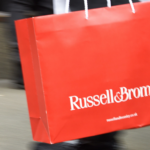
According to a report from administrators at Interpath, heritage footwear retailer Russell & Bromley fell to an EBITDA loss of £12.1 million in the 11 months to November 2025, before entering administration. The figures, published in the administrators’ Statement of Proposals to Companies House, lay bare the scale of the challenges facing one of Britain’s best-known premium footwear brands before it entered administration on 21 January 2026. Russell & Bromley Limited, incorporated in 1952 and the principal trading entity within the wider group, operated 41 stores across the UK and employed 440 staff at the time of collapse. The group, whose roots trace back to 1880 in Sussex, had endured a sustained period of losses driven by falling sales, rising operational costs and a relatively high fixed cost base, compounded by difficult UK retail conditions marked by inflationary pressures and weakened consumer demand. Administrators Will Wright and Chris Pole of Interpath were appointed on 21 January, immediately completing a pre-pack sale of selected assets to Next Retail Limited. The deal included the Russell & Bromley brand and intellectual property, stock across three prime stores in Chelsea, Mayfair and Bluewater, associated leasehold interests and certain warehouse inventory. The remainder of the estate continues to trade in administration, with Retail Realisation LLP appointed to oversee the stock realisation process across the remaining store network. Administrators expect preferential creditors, including £132,000 owed to employees and £3.2 million due to HMRC, to be paid in full, with a potential dividend also anticipated for unsecured creditors, subject to final asset realisations. After more than 140 years on the British high street, Russell & Bromley’s future now rests on its new owner and whether the brand can be reshaped for a radically changed retail landscape. To learn more, read ‘Industry reacts: What’s NEXT for Russell & Bromley’ here.
Administrators reveal £12.1m loss behind Russell & Bromley collapse Read More »

US owner Carlyle has pumped £150 million into online retailer Very as part of a refinancing deal. The move comes as the private equity firm continues to seek a sale of the debt-laden Very Group. Carlyle had been Very Group’s main corporate lender under previous owners the Barclay Brothers but seized control of the business last year. Abu Dhabi-based media operation IMI, which led a failed move to buy The Telegraph newspaper group from the Barclays, also became a major lender as part of the deal. Carlyle and IMI both took ownership of Very in November last year as the Barclays’ business empire collapsed, with the family currently facing bankruptcy petitions from lenders. On Monday, Carlyle confirmed it had converted some of Very’s debts into equity, taking £150 million of capital in the company. It was part of a wider deal which saw the retail business, which sells clothing, beauty, electricals, toys and other products, extend some of its loans. Very said its UK securitisation facility was extended to February 2029 while a £150 million revolving credit facility was extended to 2030. The firm said the refinancing deal “significantly strengthens the group’s capital structure and leaves the business well-positioned for the next stage of its growth”. Edward Fry, Chief Financial Officer at The Very Group, said: “Securing this long-term funding reflects the confidence of our lenders in the strength of our business. “The combination of extended maturities, improved margins and further deleveraging provides a stable platform for continued investment in our digital and customer proposition while maintaining a disciplined approach to balance-sheet management. “The £150 million capital support from Carlyle is a reflection of their strong and ongoing support for the business.”
US owners Carlyle inject £150m into debt-laden retailer Very Read More »