Blog

Your blog category

The Interview: Arianna Ajtar on 10 years of Mars The Label

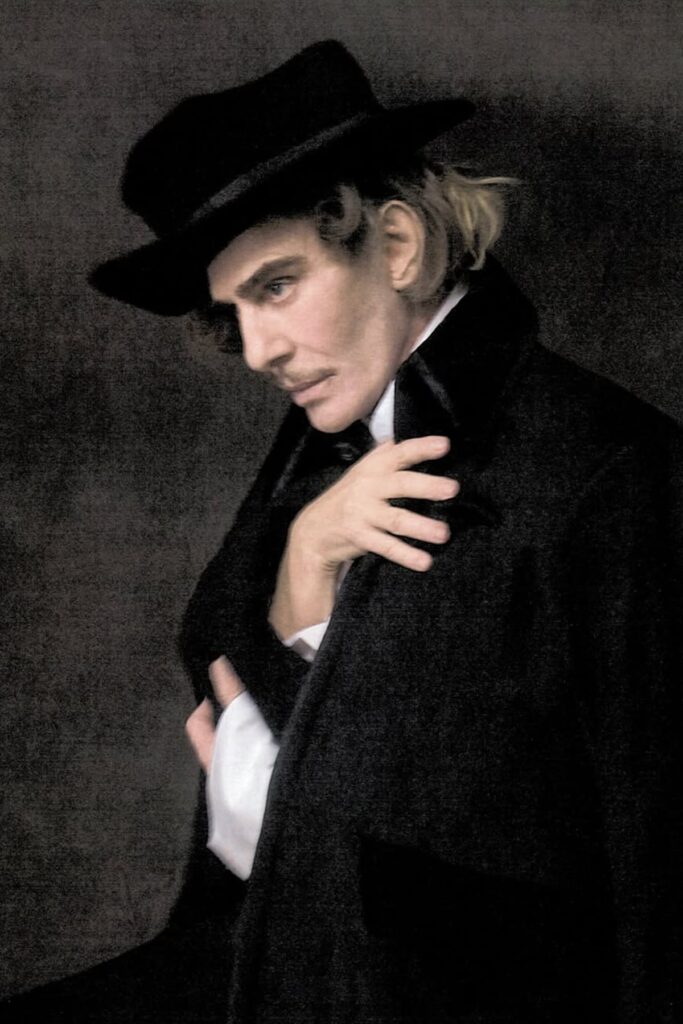
As TheIndustry.fashion continues its exploration of Manchester-based fashion brands, Mars The Label stands out as both a product of the city and a reflection of how far its independent fashion scene has come. In recent months, we’ve spoken to founders behind Manchester labels who offer a different perspective on what it means to build a fashion business outside London. Mars The Label, which is celebrating its 10th anniversary, adds another layer to that story. Founded in 2016, the brand has evolved from a small, founder-led operation into a label with an increasingly international customer base, a deeply engaged community and a growing presence beyond digital. At its core, however, remains the same mission: designing clothes that make women feel confident, considered and seen. In this interview, Mars The Label’s founder, Arianna Ajtar (pictured), reflects on the early days of launching the label, the influence of Manchester’s creative culture and the realities of scaling an independent fashion business. Can you tell us about your unique background and what motivated you to launch your label in 2016? I was born and raised in Bolton, Manchester. I actually wanted to be an actress when I was younger. I went to theatre school and was studying at university when I started to notice a huge gap in the market for clothing brands that truly understood a woman’s body. Acting was always such a passion project of mine, but I couldn’t miss what was staring at me in the face. I felt at that time, I would purchase clothes but I just didn’t feel good in them. This inspired me to start designing the looks that I couldn’t find, that truly contoured you and made you feel confident and from there, Mars The Label was born. Manchester has a strong, independent fashion identity. How has the city’s creative community shaped your approach to design and business? There’s a deep creative passion in Manchester that I believe derives from northern grit. Mancunians are grafters through and through. We have a sense of community that isn’t found everywhere across the country. There is so much inspiration to be found across the city, whether that be fashion and non fashion related. I think so many successful businesses are born in Manchester because of this infectious spirit. We all want each other to win because we know how hard it is to put yourself out there and take a risk. I’m so proud to be part of it. Do you feel independents and designers outside London are finally getting the recognition they deserve? Absolutely, but still not enough. I think there was this consensus that London was everything for fashion without acknowledgement of the true impact of Northern creatives and talents. But over the years, this generalisation has slowly fizzled out. We’re ones to watch for sure. How would you describe your brand’s aesthetic to someone discovering it for the first time? Mars The Label is for the everyday ‘It’ girl who wants to feel their best with little effort. We combine the elements of the everyday with forward trends that celebrate the female body. Think minimalist with maximalist impact.  We also offer seasonal prints that push our consumers beyond the neutral and seasonal colour palettes, allowing them to play with their style. Is the UK still your biggest market? It is, however, the percentage difference between the UK and US is closing in more and more every month. I’m so excited to see what’s next for us. What role does community play in the way you build and grow the label? I have always, and will always, attribute Mars The Label’s growth and success to our community of ‘Mars Girls’. I know that over the years, there has been a growing trend for brands to be ‘community driven’ but since Mars was born, I have sustained a close relationship with the girls who invest their hard-earned money and time in us. We listen to their feedback, whether it is around colourways, lengths or the fit of pieces. This relationship has allowed me to design more intricately and pushed the team to consistently think of new ideas that our community would love. I am truly so grateful for anyone who chooses Mars. Bumping into customers wearing the brand will never not be a pinch-me moment. When was the moment you thought ‘ah we’ve made it’? For me, it will always be our very first Miami Swim Week. I always used to dream of seeing Mars there one day. Having my team fly out and watch so many successful models who have inspired me over the years, walk in Mars, is a moment I’ll never forget. Being a founder isn’t easy. What has been the biggest challenge you’ve faced since launching? The biggest challenge I have faced is keeping up with demand. When I started Mars, I was designing in my dad’s garage, and now we are a globally known brand with a small to medium-sized team. I am so grateful that our vision, mission and designs have resonated with and are wanted by so many women across the globe and we want everyone to get the pieces on their wishlist; but earlier on in the company, it would be harder to know when we would launch an item and end up with a restock sign up amount 40 times the amount we ordered. We addressed this head-on in Feb 2025 with an internal re-strategy that prioritised accommodating demand while still keeping our pieces somewhat limited for an ‘it-girl’ exclusive. Mars The Label previously worked with third-party retailers such as Flannels. Why is your current focus on DTC and are you looking to expand with any other retail partnerships? In May 2025, we went into our first DTC with Flannels and since then we have launched more looks and Flannels-exclusive products. This has been such an insightful experience as we have gained learnings into consumer wants and needs, and we will take these learnings into our future increased retail presence.

The Interview: Arianna Ajtar on 10 years of Mars The Label Read More »

Chunky gold and bold gems lead latest jewellery trends with return to ‘maximalism’

It seems the ‘quiet luxury’ trend of recent seasons is waning, with a return to ‘maximalism’ and bolder aesthetics in jewellery trends a key indicator of what’s to come in 2026. While Pinterest’s 2026 Trends Report points to this year being all about elevating looks with heirlooms, colour and more flamboyant pieces, this is also backed up by experts at Dawsons Auctioneers. Their recent sales data shows that demand is shifting towards more ostentatious statement pieces, with some of the highest-selling items offering insight into changing tastes in luxury jewellery. Standout trends include: Colourful pieces are set to dominate 2026 style trends, with a focus on coloured gemstones and slightly unusual gems. Chunkier, textured and hammered, mid-century pieces are coming back in fashion. Gold outshines all other precious metals, by far. Natural pearls emphasise a premium on scarcity. Jonathan Pratt, Managing Director at Dawsons Auctioneers and TV expert, said: “While it can be difficult to point toward definitive trends, it looks like the days of ‘stealth wealth’, an aesthetic once so dominant in previous years, might be fading. In many areas of art and design we are seeing a return to maximalism, and jewellery trends are no exception so far. “We are seeing at once a resurgence of colour in the sales of rubies, emeralds, and sapphires, as well as a premium placed on rare provenance for the stones themselves, which is often an indicator of both their authenticity and exclusivity. “This demand for exclusivity is also seen in the high prices commanded by natural pearl items, which are much more sought after than human-induced ‘cultured pearls’. “Likewise, the rarity of old cut diamonds, as recently seen in Taylor Swift’s engagement ring, means that these items perform especially well at auctions.” In another snub to contemporary minimalism, mid-century styles from as far back as the 1940s are also experiencing a comeback. The auctioneers have observed a renewed interest in previously unpopular pieces from makers like Andrew Grima and Kutchinsky, typically featuring chunky yellow gold and textured organic finishes, also often featuring coloured gemstones. Recent standout sales of that type include an emerald-cut diamond solitaire ring by Kutchinsky, featuring a central diamond of an estimated 5.45ct which sold for £22,000, and a diamond necklace going for £15,000. An Andrew Grima cocktail ring also recently went for the hammer price of £4,000. Additionally, it was recently reported that gold value has reached an all-time high, rising above the price of £3,659 per ounce. Dawsons sales data follows that trend, showing gold “outshining by far” any other precious metal in both quantity sold and hammer price. Yellow Gold is also a characteristic of the chunkier mid-century pieces that have attracted recent demand. With the combination of a change in stylistic tastes and its soaring price, gold “continues its longevity at once as a marker of luxury” as well as a popular vehicle for wealth creation among unconventional investors. Pratt added: “The trend towards more ‘showy’ pieces also coincides with newfound appreciation for mid-century jewellery that was unpopular for a very long time. Chunkier gold pieces from the 1970s all the way back to the 40s are currently experiencing demand that we haven’t seen in a long time.” Recent auction sales and prices also suggest that colours are once again “all the rage”, with coloured gemstones experiencing an explosive resurgence in auction popularity. Special importance is given to stones with rare and coveted origins, such as the Kashmir sapphire found on a Cartier brooch which Dawsons recently sold for a whopping £340,000 – a 325% increase from its original estimate of £80,000. A Victoria sapphire and diamond cluster bangle also went for £70,000, after an original estimate of £15,000. Other notable jewellery sales featuring coloured gemstones include an Edwardian dress ring featuring a Burmese ‘Pigeon blood’ ruby with a hammer price of £3,300, as well as a Colombian emerald and diamond cluster ring selling for £26,000. Buyer interest seems to be driven by extreme rarity of gems coming from mines in specific localities, and Dawsons expects their popularity to keep rising. Continuing the trend for rarity and exclusivity, ‘natural’ pearls have seen a surge in interest, as shown by the recent sale of an early 20th Century natural pearl necklace with a diamond-set clasp for £14,000 (from an initial guide price of £1,200) and another Edwardian example selling for £2,400.

Chunky gold and bold gems lead latest jewellery trends with return to ‘maximalism’ Read More »

Scoop founder Karen Radley to host ‘fireside chats’ with buyers at next show

Scoop trade show founder and curator Karen Radley will be turning the attention on buyers from prominent retailers, including Fenwick, in the form of “intimate fireside chats” during the next show, taking place at London’s Olympia National on 8-10 February. In what will be the 15th anniversary since Scoop’s launch in 2011, it will be the first time discussions with buyers – promising a more open, thoughtful exchange around buying, curation and the realities of retail today – have taken place during the show. They will be held within a dedicated space at Scoop. Radley’s first talk will be with Deryane Tadd, owner of The Dressing Room in St Albans, at 12.30pm on Monday 9 February. Then at 1pm on Tuesday 10 February, Radley will be joined by Melanie Westwood, Fashion Accessories Buyer at Fenwick, followed by a chat starting at 2.30pm with two buyers from Paris-based department store Printemps; Kimberley Hugonnet, Womenswear Contemporary, Ready-to-Wear and Accessories Buyer, and her colleague Mathilde Vanini, Contemporary Womenswear Buyer. Radley said: “Scoop has always been about thoughtful curation and meaningful connection, and the fireside chats felt like a natural evolution of that. Buying today is nuanced, considered and collaborative, and I wanted to create space for honest, open conversation around what that really looks like. “These sessions are about sharing insight, asking questions and learning from buyers who are shaping retail from within some of the most influential department stores.” Reflecting the value Scoop continues to offer buyers, Fenwick’s Melanie Westwood, added: “I’m looking forward to Scoop this year as a buyer because it’s a brilliant platform for discovering new and design-led brands, spotting key trends, and connecting directly with brand partners and suppliers. It’s an inspiring show that supports thoughtful, informed buying.” The conversations, in keeping with the more conversational, informal format Radley wanted to create, are intended to reflect the diversity of roles within buying today, while remaining highly relevant to Scoop’s exhibitor and buyer audience. They will relate to how collections are selected and shaped, as well as the evolving role of the buyer within an increasingly complex retail landscape. Complementing the fireside chats, the programme will also feature two expert-led sessions hosted by fashion specialists, designed to inspire fresh thinking and elevate visitors’ buying strategies.

Scoop founder Karen Radley to host ‘fireside chats’ with buyers at next show Read More »

From Hype to Discipline: The New World of Influencer Marketing | Case Study

Influencer marketing is bigger than ever, but it’s also become more complex as the number of creators multiplies, consumers grow more resistant to blatant ads, platforms like Substack gain traction and new tools for tracking performance appear. Fashion brands need to update their strategies.

From Hype to Discipline: The New World of Influencer Marketing | Case Study Read More »

Review Your Cart
0
Add Coupon Code
Subtotal